
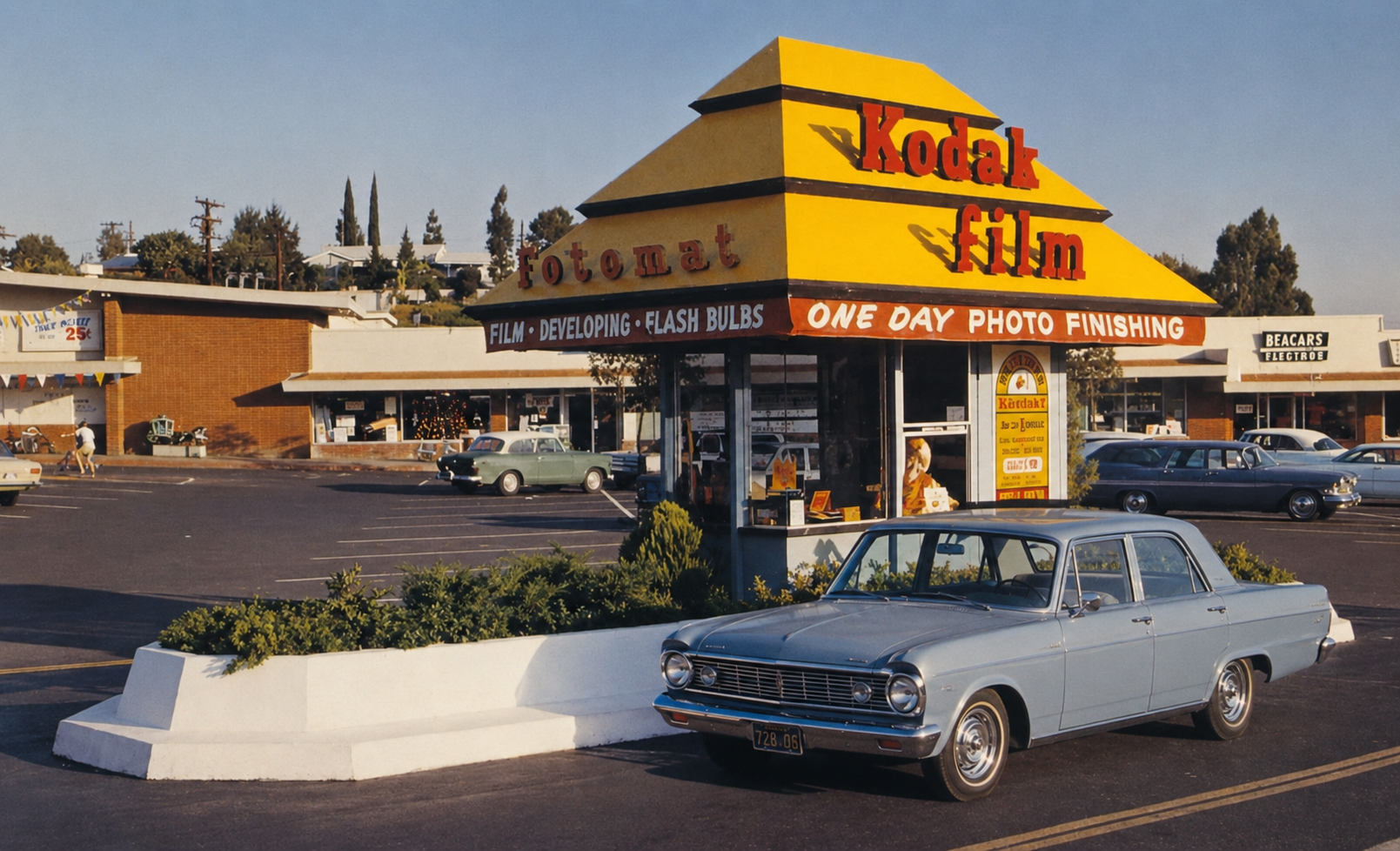
Eastman Kodak revolutionized photography by making it accessible to amateurs through roll film and its 1888 Kodak camera. The company became one of the most recognized brands in the world and dominated the film market for decades.
Ironically, Kodak’s engineers invented the first digital camera in 1975. Yet the company struggled to adapt to the digital age, and filed for bankruptcy in 2012.
So why did Kodak fail?
The first trigger that guarantees painful loss in any business is a disruption in the marketplace that they are not prepared for. Kodak’s leadership was afraid that digital photography would cannibalize its profitable film business. Instead of leading the change, they resisted it.
When consumers changed their habits, Kodak’s competitors embraced digital technology. But the company protected the status quo instead – and ultimately lost the market it once controlled.
What market disruptions are putting your business at risk?
Today, small businesses face challenges from market disruptors ranging from shifting consumer preferences and economic uncertainty to game-changing technologies like artificial intelligence.
Because these changes often happen quickly, it is essential to understand and address the specific threats to your business or industry. Focus on core areas where your business is most vulnerable. Be honest in judging your strengths and weaknesses.
Here are some signs that you may be falling behind:
- Competitors are beating you at every turn:
- Their pricing is consistently lower.
- Their turnaround time/delivery times are significantly less.
- They can quote customers or clients in minutes, not days.
- Customers are asking for technological enhancements you can’t provide, such as:
- Dedicated portals
- Online ordering
- Electronic payments
- Employees have more admin hours than billable hours, which can shrink your profit margins and growth capacity. This imbalance usually points to workflow bottlenecks or outdated processes.
The danger is not that change is coming – it’s pretending it isn’t.
We live in a world where disruption and change are constant. Kodak failed, not because it couldn’t see the future, but because its leaders underestimated how quickly the future would arrive.
The key to success is to position your business to identify and navigate changes in the marketplace – and adapt to new opportunities as quickly as possible. Companies that wait or turn a blind eye may find themselves in the same situation as Kodak.

